Hiking Trails of Kakadu National Park
Kakadu National Park is an amazing natural sanctuary situated in the Northern Territory of Australia that boasts a wide-ranging network of walking tracks that guarantee adventure and cultural immersion within one of the world’s most diverse ecosystems. In this guide, we delve into the sprawling wilderness of the park, revealing its best trails and how to get there while including some important tips for both inexperienced and experienced hikers. Each trail offers a different window into rich aboriginal history and stunning landscapes from tropical monsoon rainforests to craggy sandstone escarpments.
Best time to Visit Kakadu National Park
Choosing the right time to visit Kakadu is vital for any hiker. There are two distinct seasons experienced in the park: wet season and dry season. The dry season which runs from May through October, has more favourable conditions for hiking; these include cool temperatures, low humidity levels as well as limited rainfall, making it easy to negotiate different terrains. This period usually sees more accessible trails with very low chances of encountering floods. Conversely, from November to April, when it is the wet season, the park showcases dotted hills and valleys all over its territory. Heavy rains accompanied by flash flooding will make several roads plus walks impassable, although providing great waterfall scenes, especially at Jim Jim Falls.
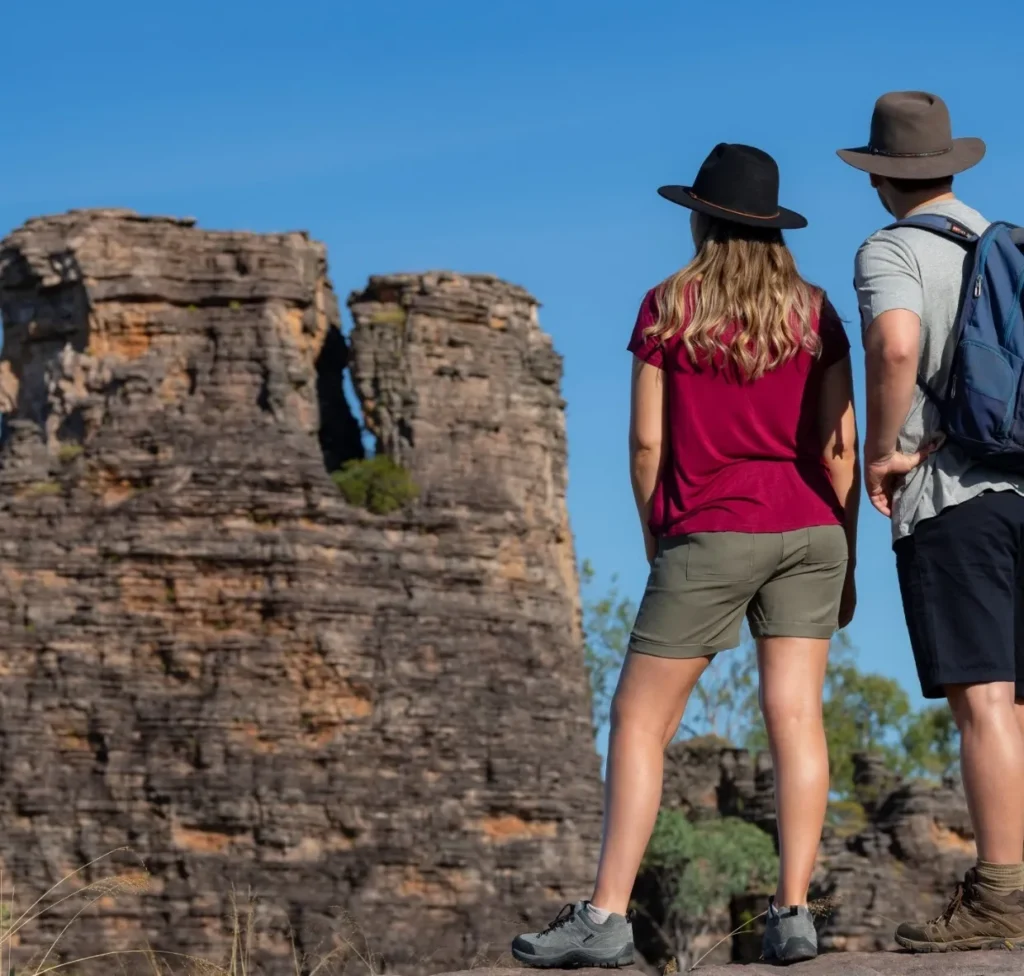
What’s Better: Dry Season or Wet Season?
The best time for trekking without doubt should be dry season. Sky here remains clear during those months with good weather conditions which makes it perfect for visiting such tough trials as Jim Jim Falls Walk or Ubirr Rock where steep climbs lead you up towards lucrative lookout points.
On the contrary, wet season is appealing due to luxuriant vegetation cover and active fauna life but requires careful planning mainly because heavy rains leading to water logging may limit access to certain parts of the park.
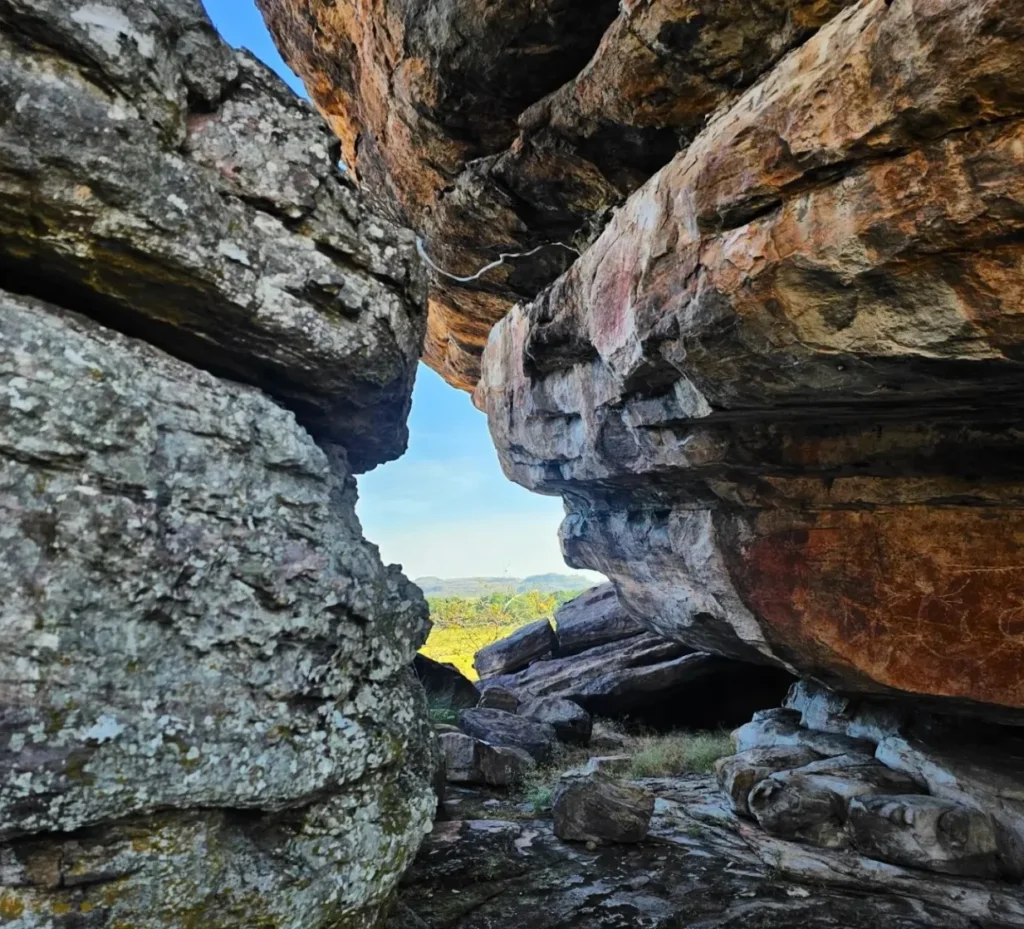
Walking trails to explore the park
Kakadu National Park can immerse hikers in its biodiversity wealth and rich ancient culture via its extensive track network. These range from iconic Jim Jim Falls to the remote wilderness of Koolpin Gorge, each offering different vistas across such environments as monsoon rainforests or rugged escarpments. The park’s well-marked tracks host various levels of hikers abilities and interests, therefore it suits anyone who wants to connect with nature.
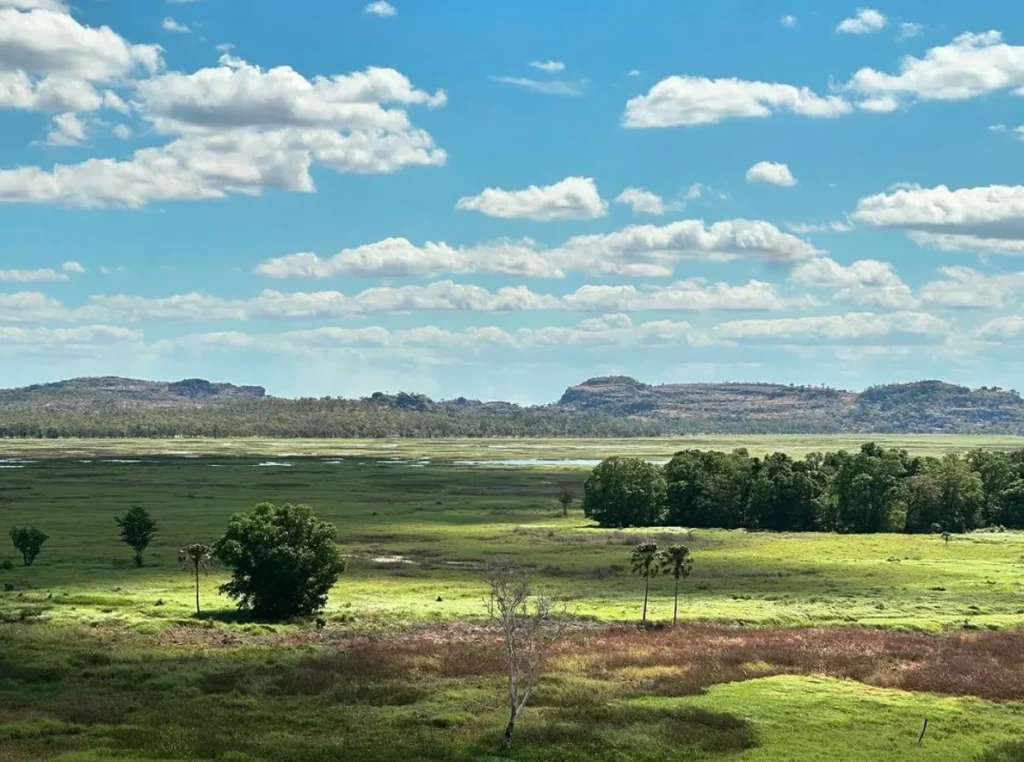
Mardugal Billabong Walk
For a tranquil experience near water this is perfect. Bird watchers are welcomed while those interested in aquatic ecosystems would find this trail appropriate.
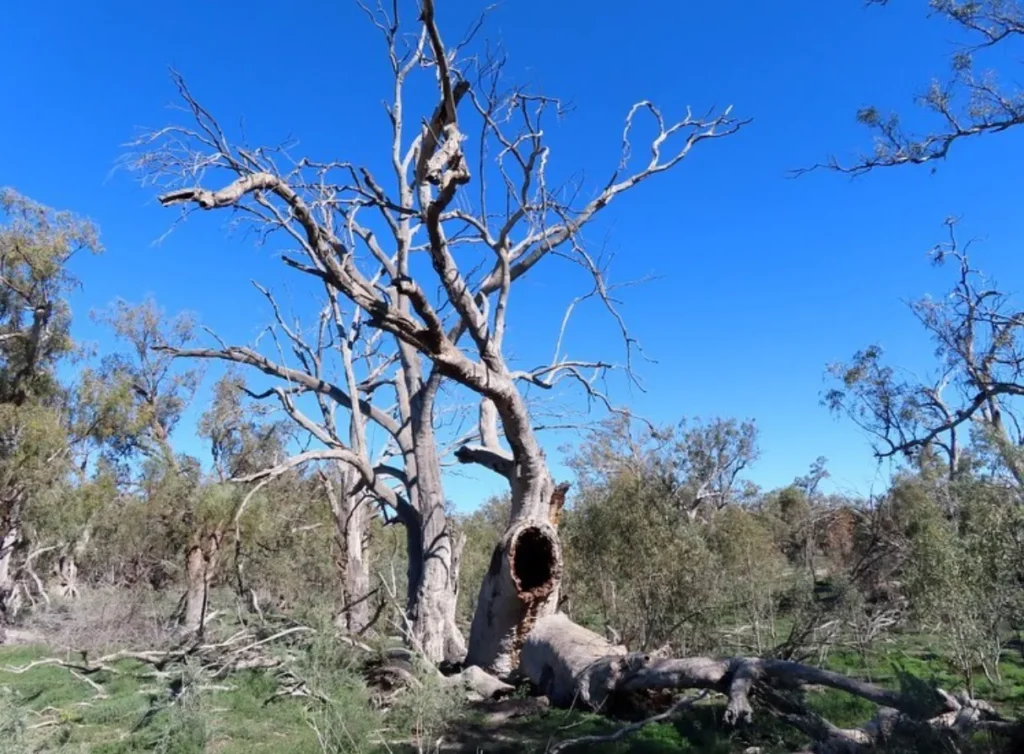
Nanguluwur Art Site Walk
This easy walk leads to one of the least visited rock-art sites where tourists can view age-old Aboriginal art at their own pace away from the crowds.
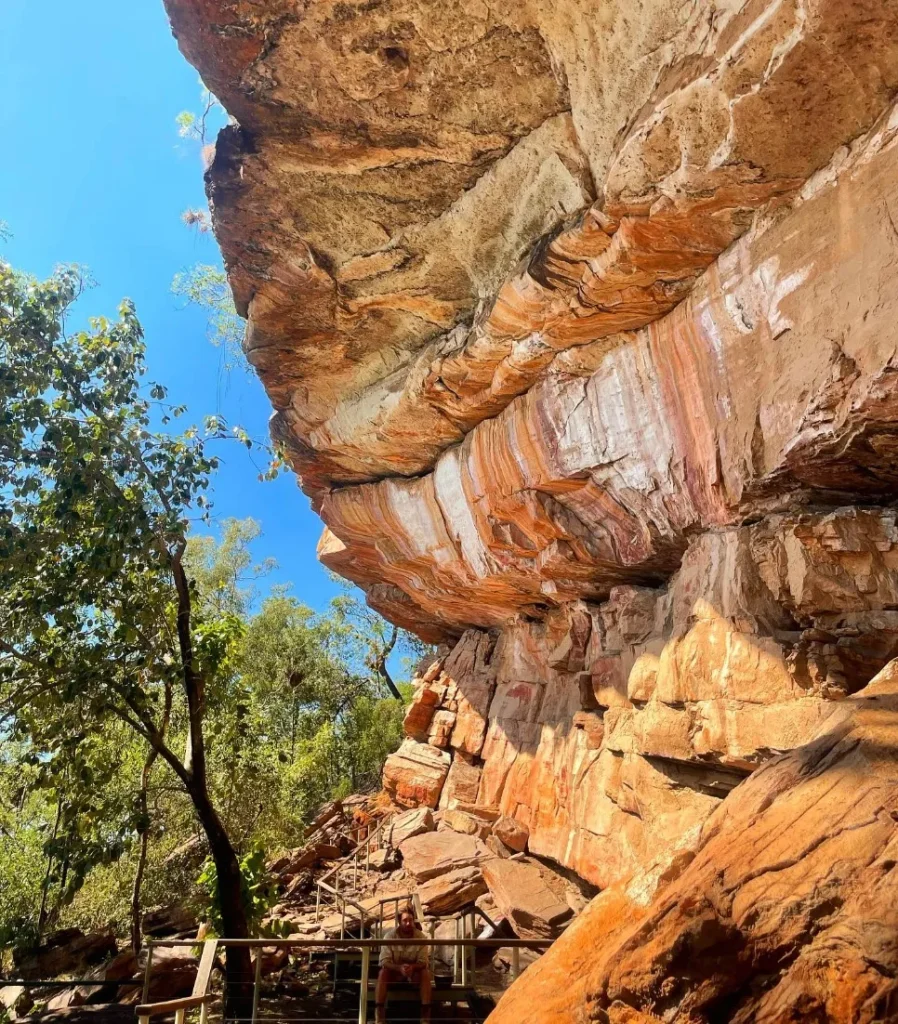
Jim Jim Falls Hike
An arduous hike whose best times are during the dry season will reward its enthusiasts with spectacular views over one of Kakadu’s most famous waterfalls.
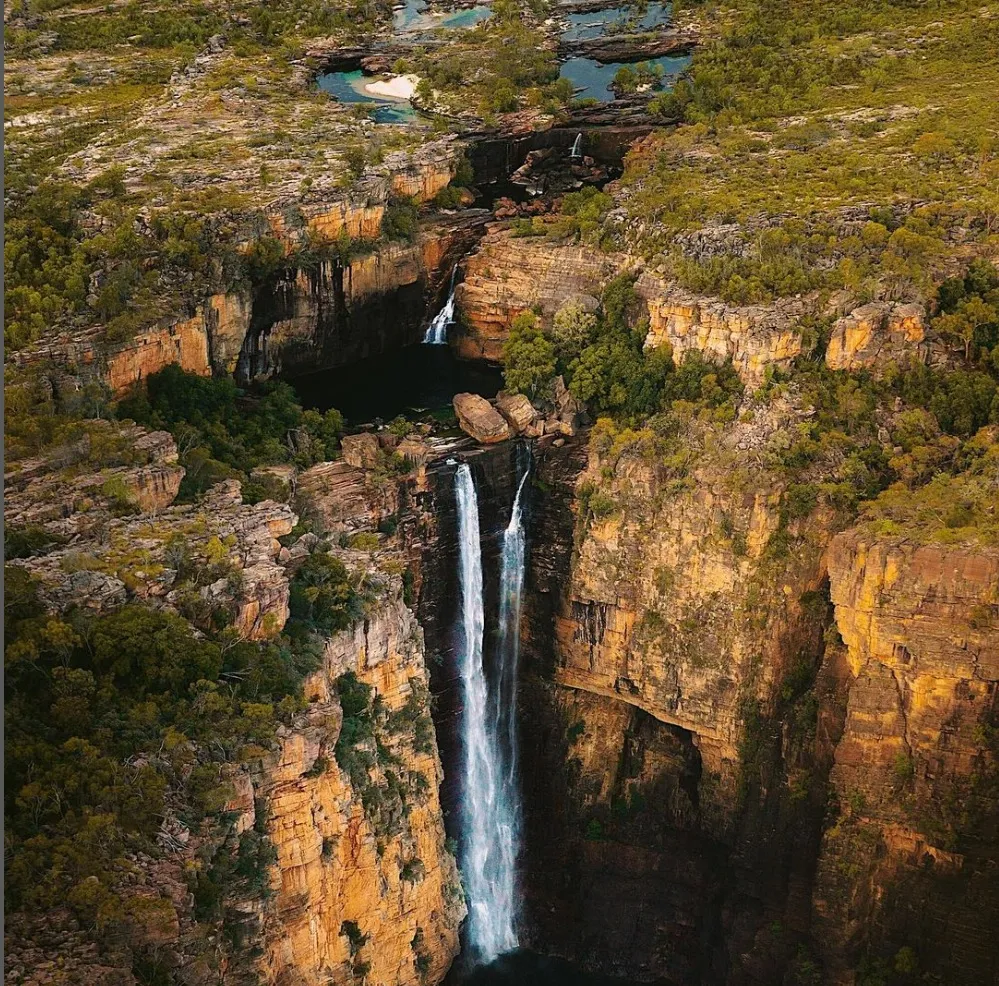
Yurmikmik Walks
The Yurmikmik Walks contain a number of interconnected trails that are available for people who like visiting waterfalls by themselves and in solitude; these trails differentiate in their length as well as difficulty level.
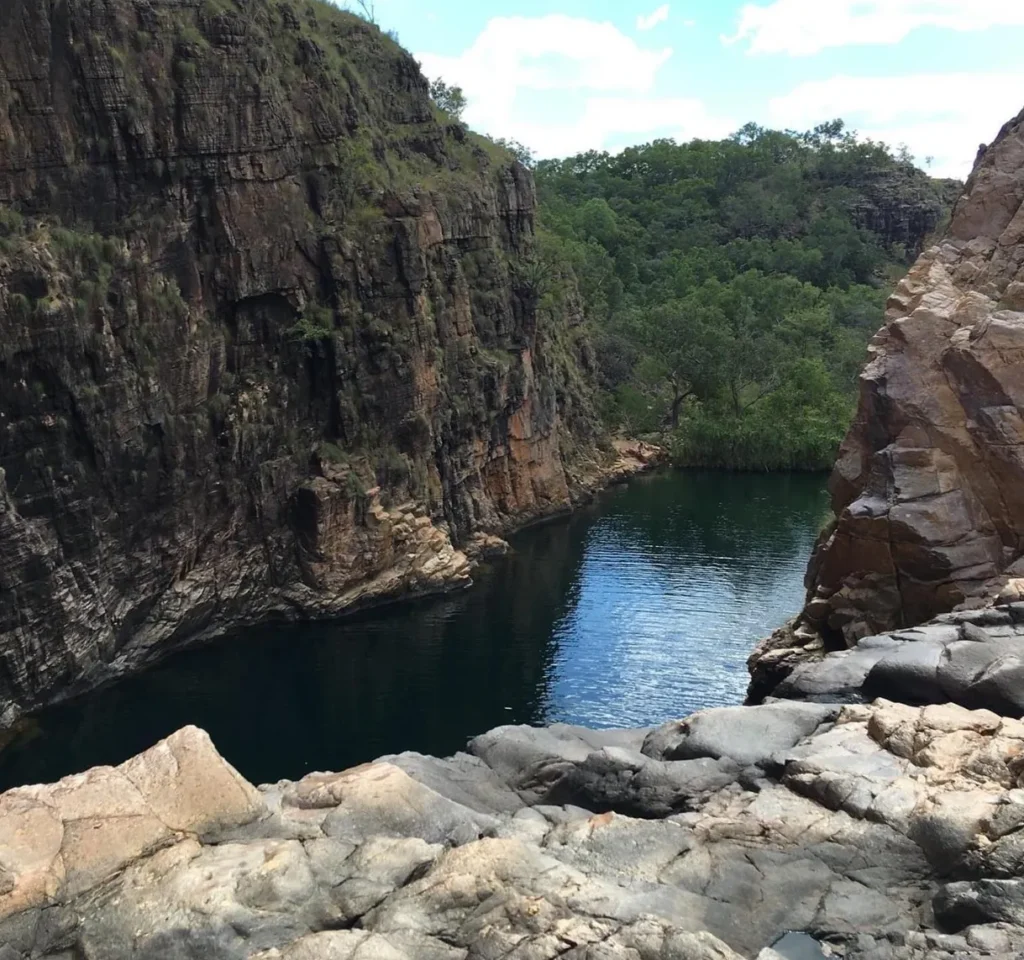
Bardedjilidji Walk
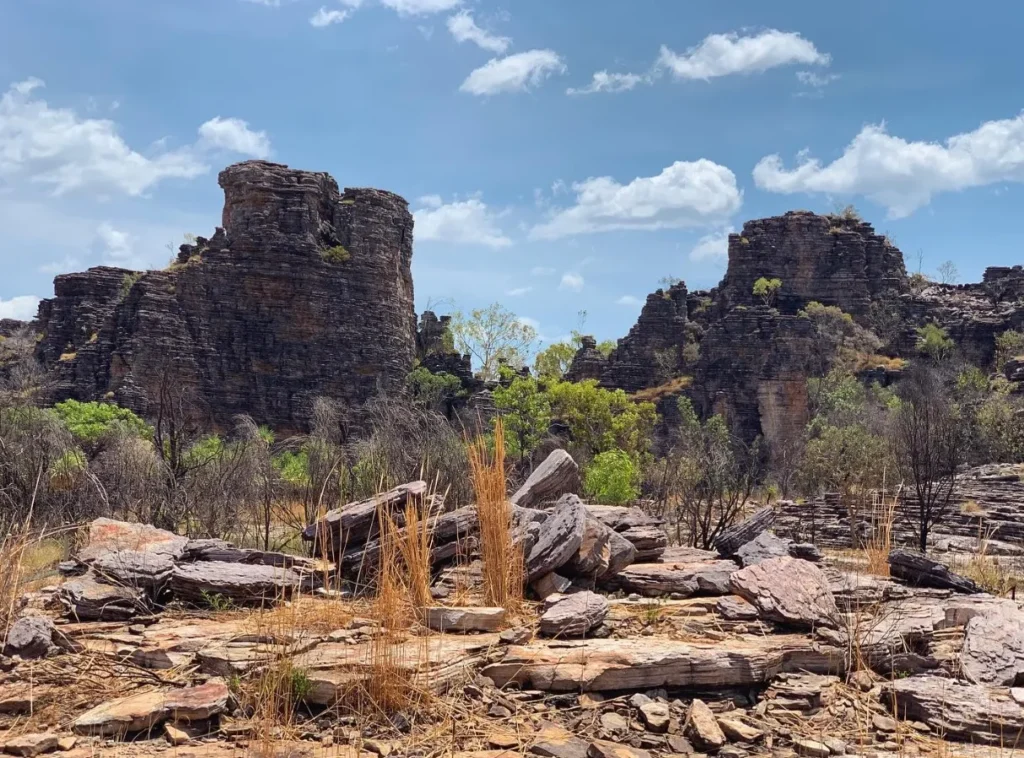
The Bardedjilidji walk is unique because it takes you along sandstone escarpments leading to East Alligator region viewpoint which provides breathtaking panoramic views.
Exploring the Remote Wilderness: Lesser Known Tracks
For those who want to be left alone and have a deeper connection with nature, Kakadu National Park provides tracks that explore its most isolated parts. Less travelled paths will lead you to wilderness untouched encounters beyond imagination and serene isolation of landscapes. One such track is the Koolpin Gorge, locally referred to as “The Jewel in the Crown” of Kakadu by locals due to its ecological sensitivity and cultural importance which need special permit. It is not just walking on this path but an intimate experience with ancient land where silence is broken only by natural sounds from spear grass rustling to distant calls of black cockatoos.

Walking through these deserted trails however presents opportunities for hikers to spot rare wildlife normally hidden away from their busier counterparts including unique bird species such as spangled drongo and large predators like estuarine crocodile in its natural habitat. The Flora here varies completely from thick monsoon rainforests to huge savannah woodlands each having a distinct beauty and challenges. In addition, it’s remote meaning that hikers must carry enough water, food, emergency supplies and be well-prepared since help would be hard to come by if anything went wrong.
Conservation and Cultural Respect
As tourists negotiate this diverse landscape of Kakadu they are passing through a living cultural landscape that has been occupied by Indigenous people for over 65,000 years ago. This park is not just a natural reserve but also an Aboriginal culture preservation area. Hiking parties are cautioned about respecting this legacy especially when visiting significant sites like rock art galleries which are sacred sites. These sites have been preserved through various conservation measures like boardwalks or signs that do more than guide without interfering.
However, cultural preservation is only part of the park’s overall conservation efforts; maintaining biodiversity is equally crucial. To prevent major wildfires, there are programs like controlled burns, while invasive species management is another initiative towards a natural ecological balance. This means that hikers will have to stick to the trails and not deviate, thus causing minimal damage to the surrounding environment. Visitors who comply with such practices ensure the continuity of the park’s natural resources as well as cultural aspects.
Adventure and Safety in the Wild
Therefore, hiking through this diverse landscape requires extensive preparation and knowledge of the unique challenges posed by wilderness in the Northern Territory. Safety is paramount, especially during wet seasons when trails may become slippery and animals are more active. It is advised that hikers check on weather changes and trail conditions before hiking out and possibly hire local guides who can provide important tips on where to go.
While undertaking longer or tougher walks like Barramundi Gorge or Jim Jim Falls Walk an equipped first-aid kit, reliable communication method and extra rations for possible delays should be carried along. Navigation tools such as GPS gadgets or detailed maps are very critical since most of Kakadu’s tracks are found in remote areas which could be life-threatening if one got lost.
Frequently Asked Questions
The wet season, can I hike in Kakadu?
Yes, though many trails and roads are closed due to flooding. Always check which areas are accessible during this season.
Are there hikes suitable for families in Kakadu?
Many of them. Bardedjilidji Walk and Murray Lookout Walk have easy tracks for families that offer beautiful views and opportunities for wildlife sightings.
Is permit needed for a hike in Kakadu?
Not in most areas. However, places like Koolpin Gorge require permits because of their cultural sensitivity and ecological significance.
What is the best way to show reverence to cultural sites in Kakadu?
Stick to specified paths, do not tamper with rock art or any other kind of cultural remains and take guided Darwin Kakadu tours to get insights into the importance of these sites. Always abide by park instructions and observe closures.